Are you wondering where to go on safari in South Africa? Then you’ve come to the right place. To answer the question, the best place really depends on what you’re looking for from a safari experience. Factors to consider include timeframe, budget, people travelling, and activities. Our blog will unpack this in detail so you can make an informed decision. Each region offers something unique, and we may be biased, but you can’t go wrong with anywhere in South Africa.
Greater Kruger offers the most authentic Big 5 experience, the Eastern Cape is ideal for malaria-free safaris near the coast, and the North West is perfect for easy access from Johannesburg. Each region offers something slightly different in terms of wildlife density, cost, accessibility, and seasonality.
Where should I go on safari in South Africa? Here’s a brief bullet-point summary.
- Greater Kruger (classic Big 5)
- Eastern Cape (malaria-free + coastal)
- KwaZulu-Natal (diverse landscapes + conservation history)
- North West (easy access)
- Western Cape (add-on safari)
- Northern Cape (remote wilderness)
Now, let’s discover each of South Africa’s major safari regions and from there it’s up to you to figure out the rest.
Is Greater Kruger the best place for a traditional Big 5 safari?
Yes. And here’s why you should go to the Greater Kruger on safari in South Africa:
- Highest wildlife density in South Africa
- Most classic bushveld experience
- Best for serious safari travellers
- Options for self-drive, walking safaris, conservation activities and luxury private guided safaris
- Hundreds of lodges and camps available
- Easily accessible from major hubs like OR Tambo and Cape Town International Airport
- A vast, protected wilderness with numerous conservation and anti-poaching initiatives
The Greater Kruger collectively covers an area of 1,800 square kilometres (yes, it’s massive), and comprises the government owned Kruger National Park and a number of privately owned reserves. The reserves, together with the national park, make up the Greater Kruger. Privately owned reserves shared unfenced borders with the park and neighbouring reserves, which means wildlife is free to move throughout.
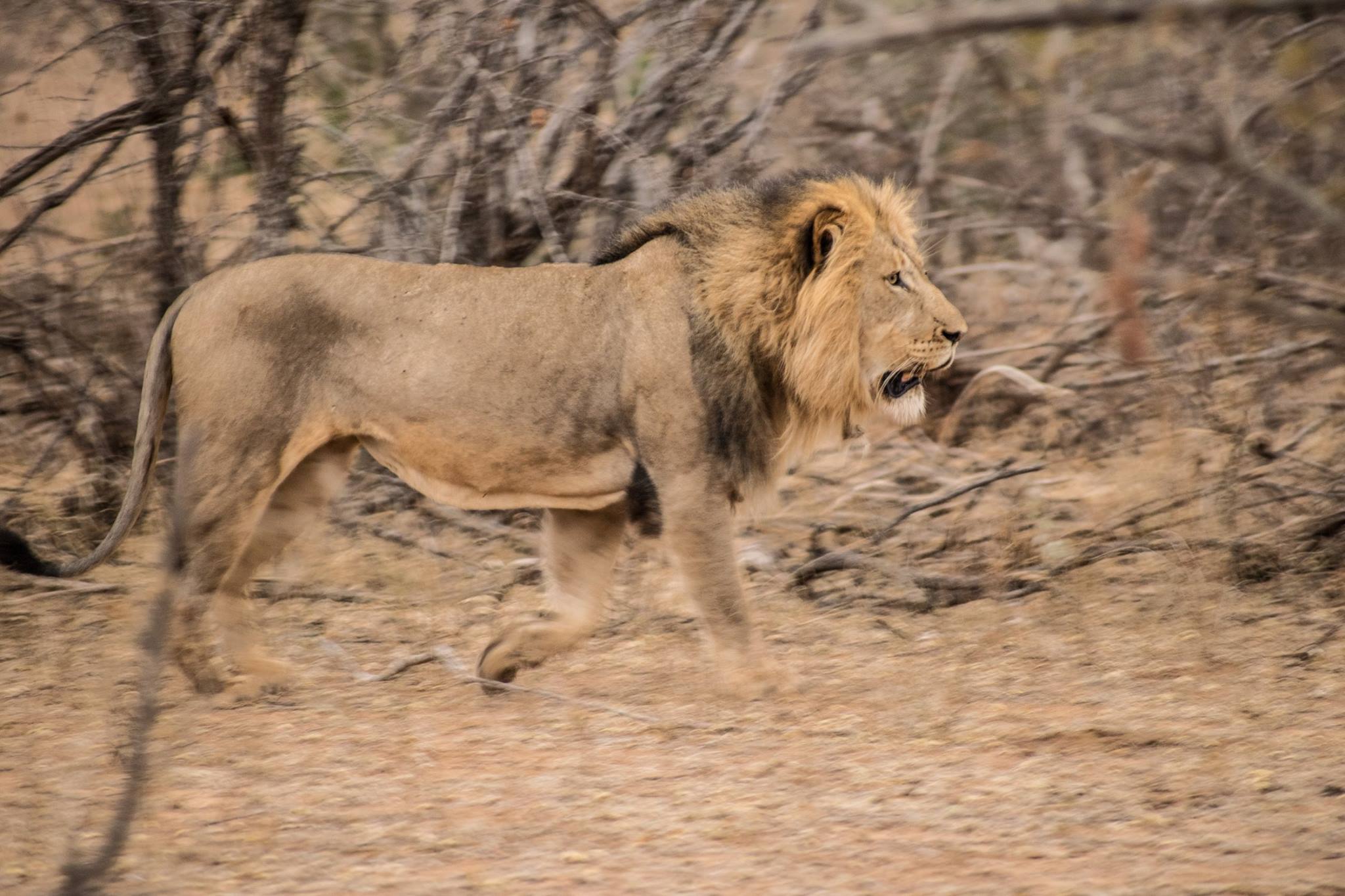
The Kruger landscape is a rich mosaic of ecosystems, ranging from riverine forests and perennial watercourses to open savannahs in the south, and rugged boulder-strewn terrain with lush riverine habitat in the far north, between the Limpopo and Luvuvhu Rivers. Bounded by the Crocodile River in the south and the Limpopo River in the north, Kruger National Park spans five distinct ecological zones, each supporting its own unique mix of wildlife and vegetation. It has the highest density of wildlife in South Africa, offering bird of numbers 517 bird species, 147 mammals (including the Big 5) and 50 species of fish and 114 species of reptile.
You can expect rainy summers, characterised by afternoon thunderstorms and lush, green landscapes, from October to March. This is the best season for birding and for seeing newborn wildlife, including impala, zebra, wildebeest, and buffalo. Winter is peak safari season, when the bushveld thins out and wildlife becomes easier to spot. With limited surface water available, animals congregate around rivers and waterholes, making sightings more concentrated and consistent.
It’s important to note that the Kruger is NOT the only Big 5 safari region, but is the most well-known traditional safari destination.
Click here to view Kruger safari lodges and Kruger Park safari packages
What makes a safari in KwaZulu-Natal different from Kruger?
The combination of beach and bush, tropical climate and undulating landscapes make KwaZulu-Natal a vastly different safari experience.
Here’s what makes a safari in KwaZulu-Natal unique:
- The heritage of the Hluhluwe–iMfolozi (it’s the oldest proclaimed nature reserve in Africa)
- A landscape of rolling hills and lush tropical landscapes
- Its coastal proximity of 580 kilometres of coastline
- The birthplace of modern rhino conservation
- The presence of the iSimangaliso Wetland Park which is a patchwork of mangroves, estuaries, and swamp forests
A safari in KwaZulu-Natal offers a very different experience from the Kruger region, largely because of the province’s diverse landscapes and coastal location. While Kruger is known for its vast savannah and open bushveld, KwaZulu-Natal safaris take place across a network of rolling hills, coastal forests, wetlands, and estuarine systems, creating a greener and more varied environment for wildlife viewing. While in the Kruger you’re likely to see prolific big cat predators cruising the bushveld and herds of elephant, but in KZN you’re likely to spot dense populations of hippos, rhino, crocodiles, migrating southern right and humpback whales, and colourful marine life weaving through incredible beds of coral.
Additionally, the province is home to some of South Africa’s most historic and ecologically important reserves, including Hluhluwe–iMfolozi Park, the oldest proclaimed nature reserve in Africa and a key site in global white rhino conservation. Safaris in KwaZulu-Natal often combine classic Big 5 game viewing with exceptional birding, thanks to habitats such as the wetlands of iSimangaliso Wetland Park, a UNESCO World Heritage Site that stretches along the Indian Ocean coastline.
Unlike Kruger, many KwaZulu-Natal safari destinations are located close to the coast, allowing visitors to combine game drives with beach experiences. Areas such as Sodwana Bay, St Lucia, and the Elephant Coast offer opportunities for whale watching, turtle nesting, snorkelling, and boat safaris alongside traditional wildlife viewing.
For travellers looking for variety, a KwaZulu-Natal safari offers a unique blend of wildlife, wetlands, coastal scenery, and conservation history, making it one of South Africa’s most diverse safari regions.
Click here to view safari lodges and safari packages in KwaZulu-Natal
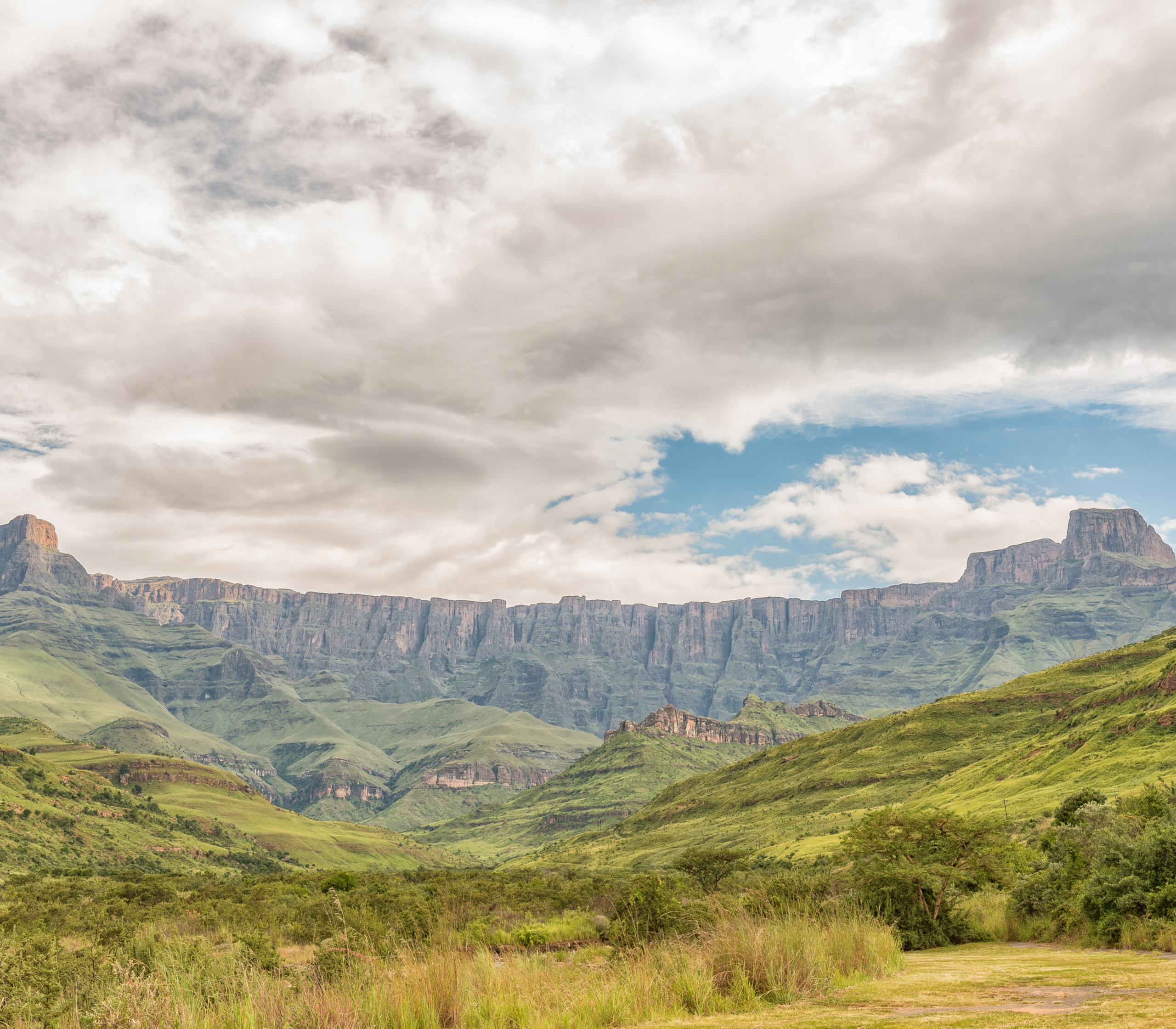
Is the North West province good for a short safari?
Yes, due to its close proximity to Johannesburg and OR Tambo Airport, the North West is ideal for a short break safari and add on to your South Africa city break.
Here’s why the North West Province is a standout safari destination in South Africa:
- The North West Province is home to several malaria-free reserves
- It’s close to Johannesburg, making it a top choice for a quick break from the city
- An array of Big 5 wildlife experiences available in reserves with contrasting scenes: Madikwe Game Reserve and Pilansberg Nature Reserve
- Array of self-drive options, luxury lodges, and guided safaris
The Pilansberg Game Reserve is a significant game reserve in the North West, and the most popular among eager safari-goers. Sprawling across the basin of an ancient crater dotted with rocky outcrops surrounding open savannahs and waterholes, sits the game-rich Pilansberg. An impressive 360 species of bird and 50 mammal species call this reserve home. But the Pilansberg main claim-to-fame is its conservation efforts; and is actually home to one of the largest wildlife translocation projects to have taken place in South Africa. In the 1970s and 1980s the partk was restocked with elephant, rhino and big cat predators; ensuring abundant populations of each species. A game reserve in a crater basin close to Johannesburg – no wonder it’s a firm favourite among safari lovers!
Yet another leading safari destination is the makaria-free Madikwe Game Reserve, a stone’s throw away from the Botswana border. Originally a farming area, Madikwe was restored to its former wild beauty in the early 1990s and reintroduced with willdlife. From there it re-opened as a game reserve and quickly became one of the most popular and easily accessible safari destinations in South Africa. Landscapes characterised by open plains, brazen terraccotta Kalahari sands and dense woodlands makes for the ideal ecosystem for a wealth of wildlife to not only survive, but thrive. The Madikwe supports dense populations of lion, elephant, buffalo but more importantly, packs of endangered African wild dogs. Madikwe’s compelling history alongside its status as being the place to go for high-end luxury safari lodges.
Click here to view safari lodges and safari packages in the North West Province
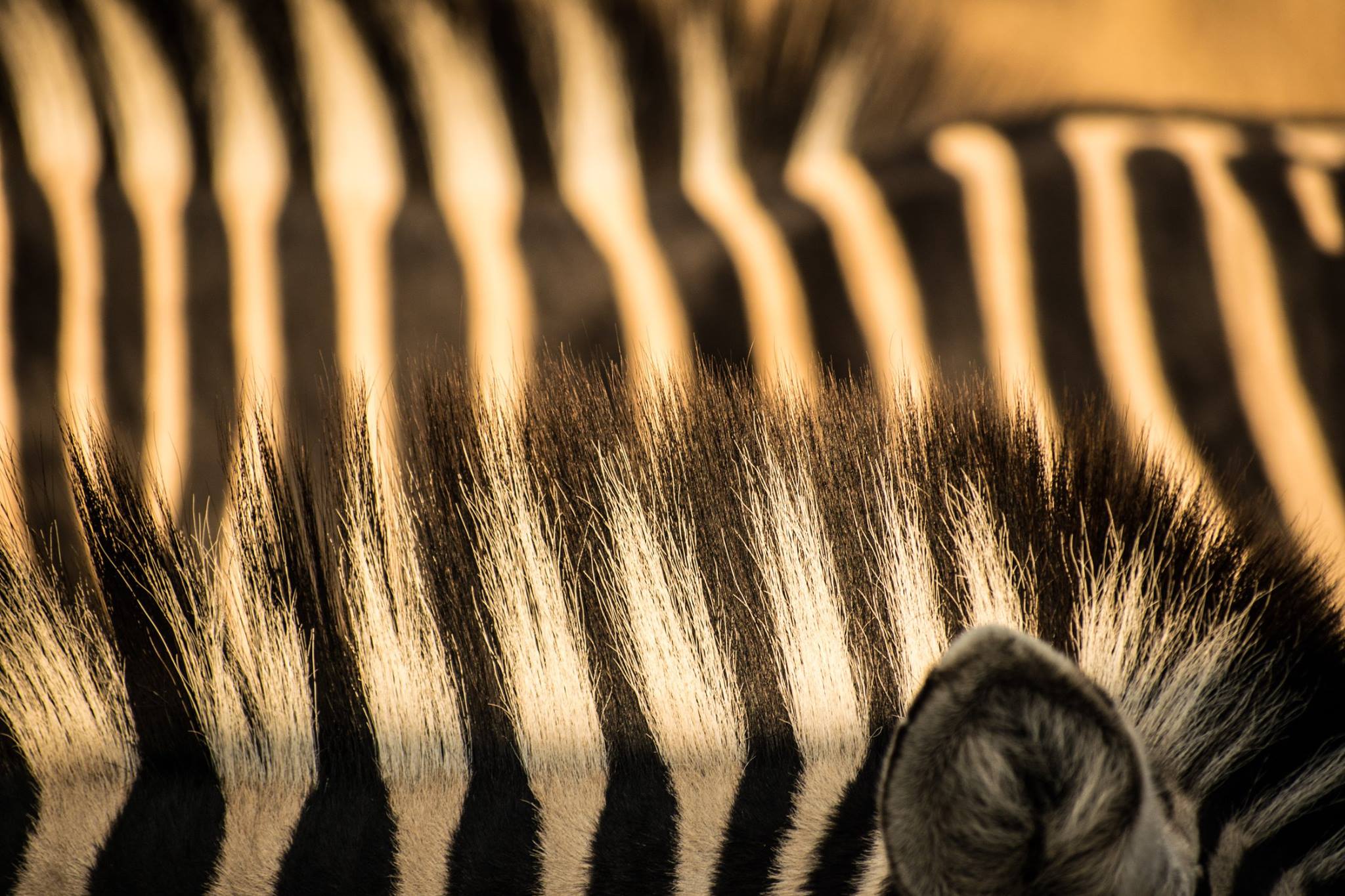
Is the Eastern Cape good for a malaria-free safari?
The Eastern Cape is possibly one of the most underrated safari destinations in South Africa, and has certainly earned its place on the map for being a worthwhile region for a malaria-free safari.
Here’s why the Eastern Cape is good for a malaria-free safari:
- It’s a scenic drive from Cape Town and close to the Garden Route (also known for its safari lodges)
- Because it’s malaria-free, it’s the perfect choice for young families
- There are only a handful of private game reserves with a strong infrastructure and easy logistics
- Impressive number of species, including the Big 5 (particuarly elephants) but not as dense as the Kruger
- Ideal for shorter and more controlled wildlife safari experiences
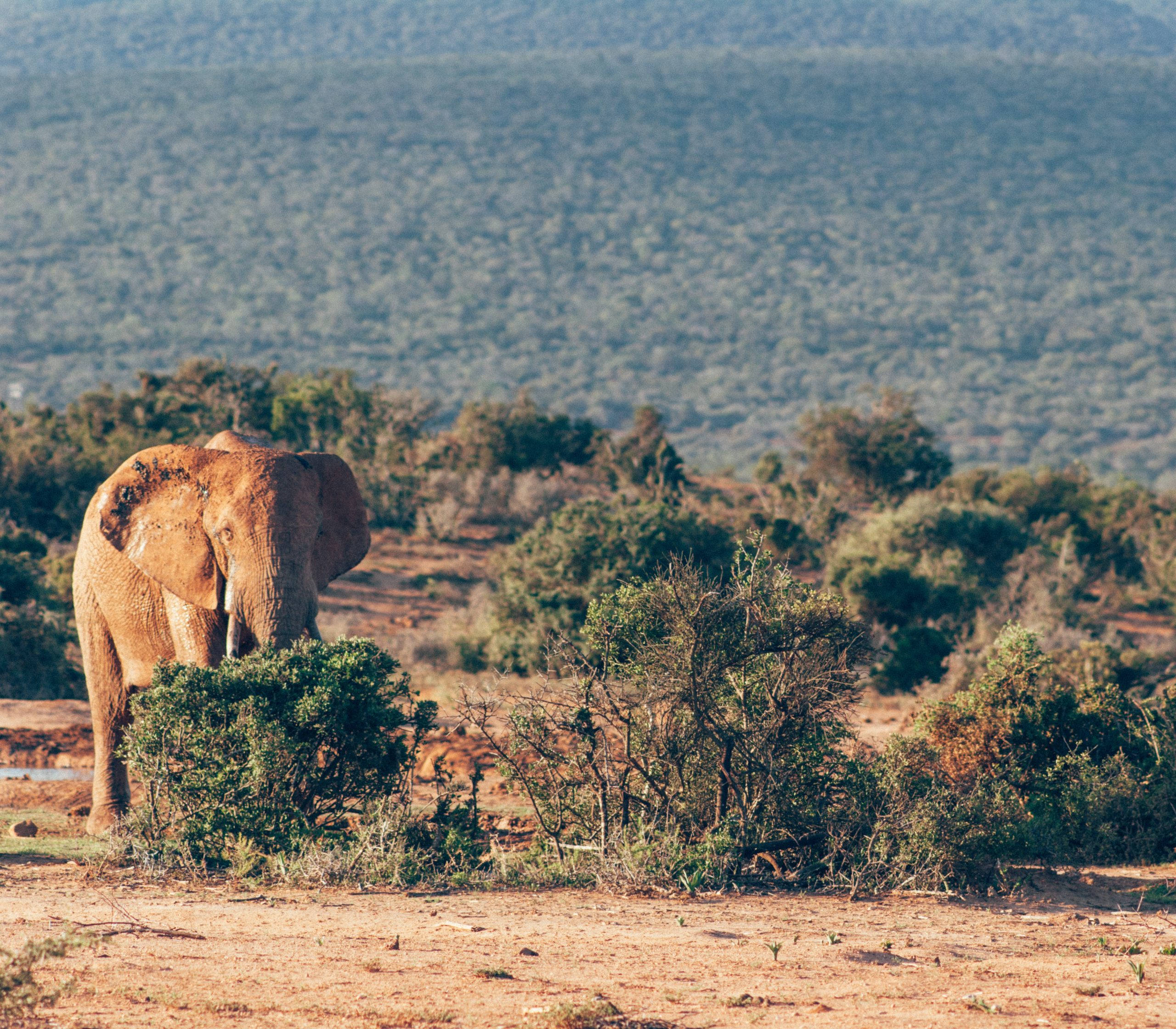
The Addo Elephant National Park is the Eastern Cape’s best-known safari destination and South Africa’s third-largest national park. While the park is home to the Big 5, it is particularly renowned for its thriving elephant population — with sightings of hundreds of elephants gathering around a single waterhole not uncommon.
Addo is made up of several distinct sections, including the coastal region around Algoa Bay, where visitors can combine a traditional safari with marine wildlife experiences such as Southern right whale and great white shark sightings. Across the greater Addo region, visitors can expect excellent biodiversity, including more than 417 bird species, over 600 elephants, black rhino, buffalo, lion, leopard, and hyena.
Accommodation within the park includes a number of budget-friendly rest camps operated by SANParks, while travellers seeking a more exclusive experience can choose from several private concessions and nearby luxury safari lodges.
Activities at Addo are diverse and cater to all travel styles, from self-drive safaris and guided game drives to 4×4 trails, birdwatching, relaxing spa treatments, and both short walks and overnight hiking trails.
The wider Addo region is also home to some of the Eastern Cape’s leading private safari reserves, including Shamwari Private Game Reserve, Kwandwe Private Game Reserve, Pumba Private Game Reserve, Kariega Game Reserve, and Lalibela Game Reserve.
Click here to view all malaria-free safari lodges in the Eastern Cape
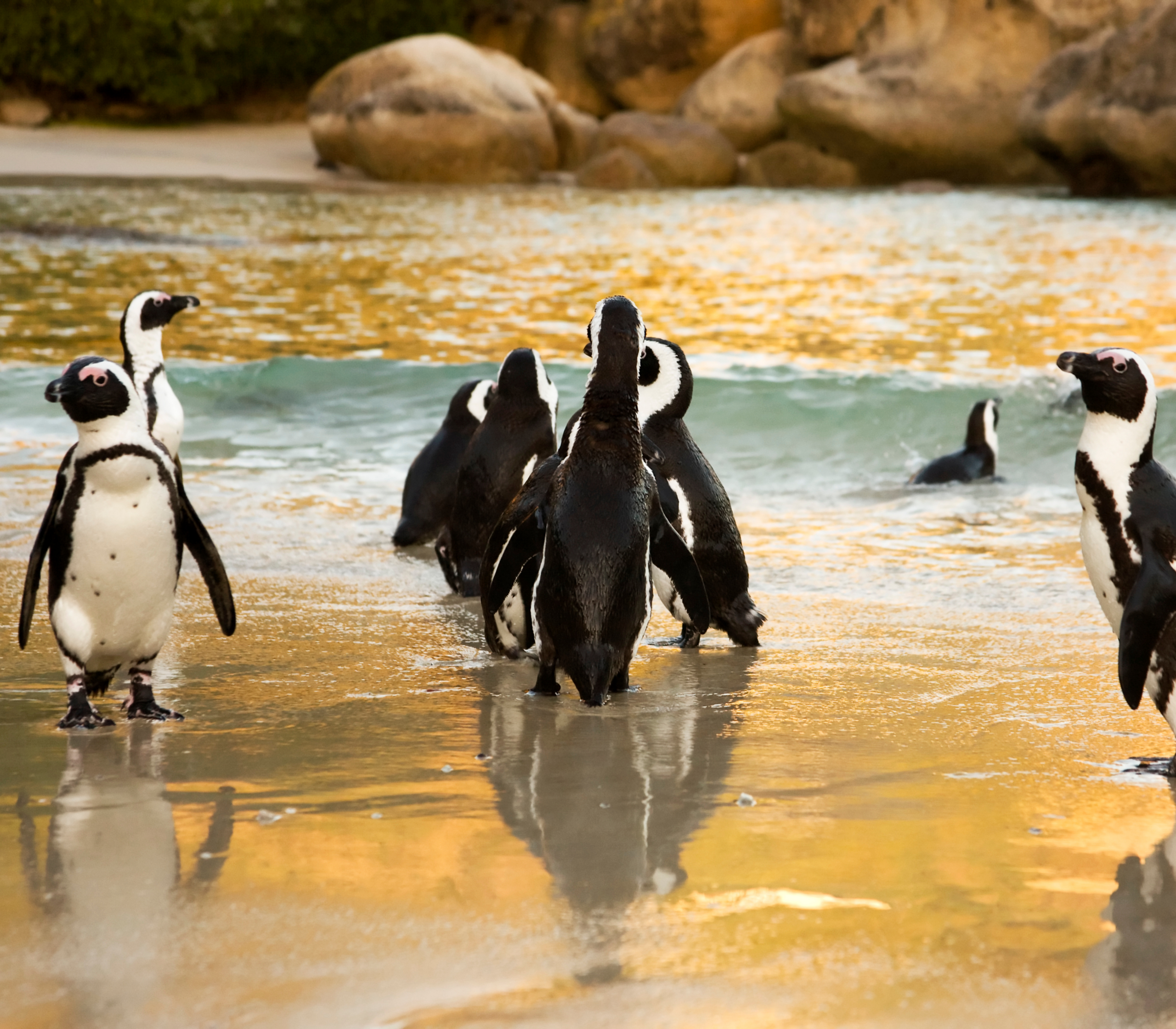
Can you go on safari in the Western Cape?
You can go on safari in the Western Cape, but not everywhere has the Big 5. The most popular Western Cape safari destination is the Garden Route, although there are other regions offering equally beautiful experiences.
Here’s why the Western Cape is good for a safari experience:
- It offers more than just game drives and bush walks – horse riding is a popular activity on Garden Route safaris
- Because it’s malaria-free, it’s the perfect family-friendly safari destination
- Ideal for pairing together with a coastal Cape town holiday and for other short holiday add-ons
- Numerous private reserves to explore
Safaris in the Western Cape typically focus more on wilderness, scenery, and smaller game-viewing experiences, with fewer species than you’d find in iconic safari regions like the Kruger National Park or parts of KwaZulu-Natal.
That said, there are a handful of private reserves in the Western Cape where you can see the Big 5, including lion, leopard, elephant, rhino, and buffalo. These reserves are generally malaria-free and easily accessible from Cape Town, making them popular for shorter safari getaways and first-time safari-goers. The most popular and top region for this would be the Garden Route, otherwise known as the Garden of Eden. You can combine coastal beauty with whale watching and championship golf, while exploring the small villages along the coast. Popular places for safari include Botlierskop in Mossel Bay, the Garden Route National Park and Gondwana Game Reserve. The Garden Route is roughly 5 hours drive from Cape Town, making it easily accessible for self-drivers.
Beyond the Big 5, the Western Cape is known for its dramatic mountain landscapes, fynbos vegetation, excellent birdlife, and unique combinations of safari experiences with wine tasting, beaches, whale watching, and the Garden Route. Many visitors choose the region for its relaxed pace and scenic diversity rather than high-density wildlife sightings.
Click here to view safari lodges in the Garden Route and Western Cape
Is the Northern Cape good for a remote wilderness safari?
The Northern Cape is wild, rugged and built for the wilderness explorer who has time to traverse vast wildlife-rich terrain. The Northern Cape is spectacular and ideal for a remote wilderness safari, offering typical desert landscapes teeming with wildlife that’s adapted to its harsh conditions.
Here’s why the Northern Cape is good for a remote wilderness safari:
- You’ll get to spot unique desert-adapted wildlife, such as brutish black-maned lions and cheetah
- It’s the country’s least commercial safari region with few vehicles
- Ideal for stargazing, photography and self-drive malaria-free safaris
- Excellent birdwatching, especially along the Orange River and in its seasonal wildflower regions
Click here to view wilderness escapes and safari lodges in the Northern Cape
